

-
 Spencer Platt/Getty ImagesA 'bomb cyclone' is intensifying severe winter weather for millions of people across the U.S. The system is expected to knock out power and disrupt holiday travel.
 -
 Spencer Platt/Getty ImagesA powerful winter storm is impacting parts of the U.S. with major snowfall, ice, and below zero wind chills. The conditions are disrupting holiday travel and could last through next week.


-
Fast-fashion brands have only upped the production with ultra-fast fashion garments, made in as little as a week, full of plastics and short-lasting, now accounting for up to a third of the entire industry.
-
 The Atlantic hurricane season produced a normal number of storms, compared to more frequent storms in recent years. But the storms that did form were huge.
 -
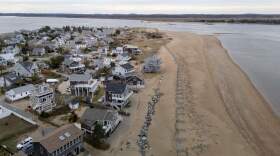 In Massachusetts, coastal real estate is becoming less attractive as climate change brings repeated flooding to those areas.
 -
 An Interior Department statement did not detail the national security risks. It's the administration's latest pus to hobble offshore wind and limit renewable energy sources.
 -
 The White House plans to break up a key weather and climate research center in Colorado, a move experts say could jeopardize the accuracy of forecasting and prediction systems.
 -
The National Center for Atmospheric Research is a cornerstone for American climate and weather science.
-
President Trump made a similar proposal in his first term, but after facing political pushback, reversed himself and expanded a drilling ban.
-
 Washington Gov. Bob Ferguson calls this one of the most devastating natural disasters in the state's history.
 -
 This year's Arctic Report Card from the National Oceanic and Atmospheric Administration finds that the northernmost part of the Earth is warming faster than the global average, leading to melting glaciers, shifting fish populations, and rivers running orange.
 -
After the hurricane in Jamaica, the government had a pot of money to help rebuild, called the Catastrophe Bonds payout.


